Make Tea Not War SVG: A Designer's Stitch Review
When I first pulled up the Make Tea Not War SVG Cut File on my screen, the immediate reaction wasn't just about the cute factor; it was about viability. As someone who spends hours hooping fabric and threading needles for clients, I look past the initial charm to ask: will this actually stitch out well? Will it hold up after a wash cycle? This design, with its whimsical blend of peace symbolism and tea culture, offers a unique aesthetic that sits right at the intersection of cozy home decor and statement apparel. However, translating a digital graphic into a tangible finished product requires a critical eye, especially when dealing with text-heavy motifs and iconic shapes.
The Visual Personality and Layout Potential
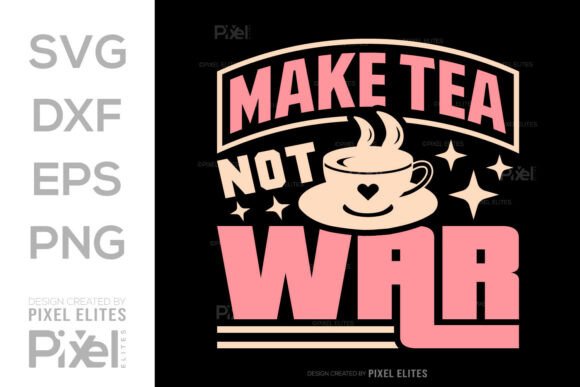
The core appeal of this Graphics asset lies in its message. "Make Tea Not War" is a gentle, humorous twist on a classic slogan, instantly creating a mood of serenity and wit. Visually, the layout typically balances typography with a central icon, often a teacup or steam motif integrated with peace signs. For an embroidery designer, this balance is crucial. If the text is too small relative to the icon, legibility suffers. If the icon is too complex, it becomes a nightmare of thread breaks and trimming.
In my assessment, this design feels naturally suited for medium-to-large hoop applications. The phrase demands space to breathe. Cramping it into a tiny 4x4 area might work for a pocket logo, but you risk losing the nuance of the lettering. The visual personality is soft yet bold, making it an excellent candidate for custom apparel where the wearer wants to express a laid-back, thoughtful vibe. It works exceptionally well as a T-Shirt Designs element, particularly on oversized tees or long-sleeve thermal shirts where the chest area provides ample real estate for the design to shine without competing with seams or pockets.
Real-World Application: The Tote Bag Scenario
To truly test the mettle of the Make Tea Not War SVG Cut File, I imagined a specific client request: a custom embroidered tote bag for a local coffee and tea shop's merchandise line. Tote bags are notorious for their tricky fabric texture; canvas is thick, often uneven, and can cause registration issues if the design isn't optimized.
In this scenario, the design's clean lines would be a major asset. Assuming the file is converted properly into a machine embroidery design with appropriate underlay, the bold shapes of the peace sign and the cup would pop beautifully against a natural or dark canvas background. The text, if rendered in a simple sans-serif or a clean script, would remain readable even from a distance. For an Etsy seller or small shop product creator, this application adds significant value. It transforms a generic bag into a branded item that tells a story. Customers aren't just buying a bag; they are buying into a lifestyle of calm and mindfulness, which increases the perceived value of the handmade product.
However, one must be cautious with stitch density. On thick canvas, high-density fills can cause the fabric to pucker or the needle to deflect. A smart approach would be to utilize a mix of satin stitch for the text and borders, and a lighter fill stitch or even a running stitch outline for the internal details of the teacup. This not only saves thread but also ensures the final result lays flat and professional.
Navigating Fabric Challenges and Hoop Constraints
While the design is versatile, it is not without its constraints. When considering sweatshirt embroidery, the stretch and fleece texture of the fabric present challenges. Fleece tends to swallow small details. If the Make Tea Not War SVG Cut File includes fine serifs or intricate steam swirls, these might get lost in the pile of the fabric. In such cases, I would advise simplifying the digitization or choosing a heavier weight thread to ensure visibility.
Similarly, curved surfaces like caps require careful attention. Placing a horizontal text design on a front panel cap can be difficult if the arch of the cap distorts the reading flow. For baby embroidery, such as on a onesie or bib, the scale must be drastically reduced. Here, the legibility of the text becomes the primary concern. If the letters become smaller than a quarter-inch, the design may no longer be effective, and a simplified icon-only version might be a better alternative for such small garments.
Dark fabrics present another consideration. The contrast between the thread colors and the base material is vital. A light pastel tea cup on a black hoodie looks striking, but it requires a solid white underlay to prevent the dark fabric from showing through the stitches. Without proper stabilization and underlay settings, the design can look patchy and unprofessional, undermining the trust a customer places in a craft business.
Enhancing Brand Value and Customer Engagement
From a branding perspective, using the Make Tea Not War SVG Cut File can significantly boost engagement. It is a conversation starter. In a boutique setting or an online store, products featuring this design stand out because they offer more than just decoration; they offer sentiment. Whether it's a personalized gift for a teacher, a holiday embroidery project for a hostess, or part of a larger collection of design assets for a print-on-demand service, the emotional connection drives sales.
For commercial embroidery projects, consistency is key. If you are producing a run of fifty aprons for a bakery, every single stitch needs to look identical. This requires rigorous testing. Before committing to production, I always recommend stitching a sample on scrap fabric that matches your final material. Check the hoop size requirements to ensure your machine can handle the dimensions without re-hooping, which can lead to alignment errors. Inspect the small details closely—are the corners of the text sharp? Is the teacup handle distinct?
Practical Notes for the Professional Maker
To ensure the best results with this design, keep the following practical steps in mind:
- Test First: Always run a test stitch-out on a similar fabric weight and texture before working on the final customer item.
- Stabilizer Selection: Match your stabilizer to the fabric. Use cut-away for stretchy knits like t-shirts and tear-away for stable wovens like towel or canvas.
- Color Contrast: Verify that your chosen thread colors provide enough contrast against the garment, especially if selling on platforms where photos are the only selling point.
- License Verification: Since this is a digital file, always confirm the licensing terms. Ensure you have the rights to use it for commercial embroidery and selling finished goods, as some creators restrict the number of physical items sold.
- Mockup Testing: Create printable mockups in both black and white and color to see how the design translates across different marketing materials.
Ultimately, the Make Tea Not War SVG Cut File is a strong contender for any designer's library, provided it is treated with the respect and technical preparation it deserves. It bridges the gap between fun and functional, offering a pathway to create meaningful embroidered patch work, apparel, and home goods. By paying attention to the nuances of fabric, stitch type, and placement, you can turn this simple graphic into a standout piece that resonates with customers and elevates your brand's reputation for quality.